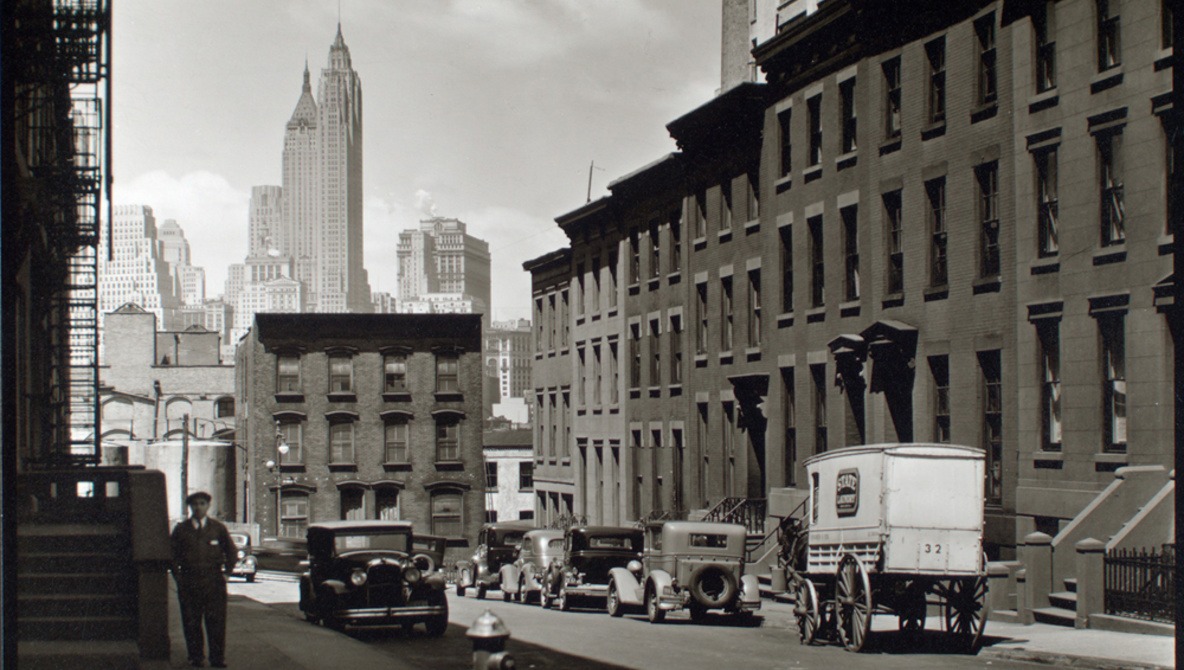
Old photograph of New York City

Painting your Landmark Building in NYC

Do I need a permit to paint a landmarked building?

Did you know that you need a permit from the Landmarks Preservation Commission (LPC) if you want to change the color of the façade of your building? This is necessary if it is in a landmarked district. If you didn’t, we hope to save you the headache of violations. Possible fines can occur if you re-paint without first obtaining a permit from LPC. 

When deciding to paint your façade, you must make sure that the color adheres to the historic character of the district. If your façade was originally a dark gray, and more than half of the buildings in the district are also a dark gray, the likelihood of the LPC approving you to paint the façade white is nil. 

It is possible that a previous owner painted the façade prior to your purchase. It might not be approved by Landmarks today. You would need to check the historic tax photos available from the NYC Department of Records & Information Services. This helps you obtain a photo of the property taken in the 1940s. Another source of information for your historic façade is the LPC designation report for your district. It can be found on the LPC website

Other Considerations

If there are architectural features on your property, you will need to check with Landmarks. This is to find out if you can paint it without affecting the historic significance of said feature(s). 

Before starting any work on your property, reach out to S & M Expediting. We can assist you with obtaining a permit from the Landmarks Preservation Commission. We can also consult with you on what work requires permitting from LPC and file for approvals on LPC’s Portico portal. 
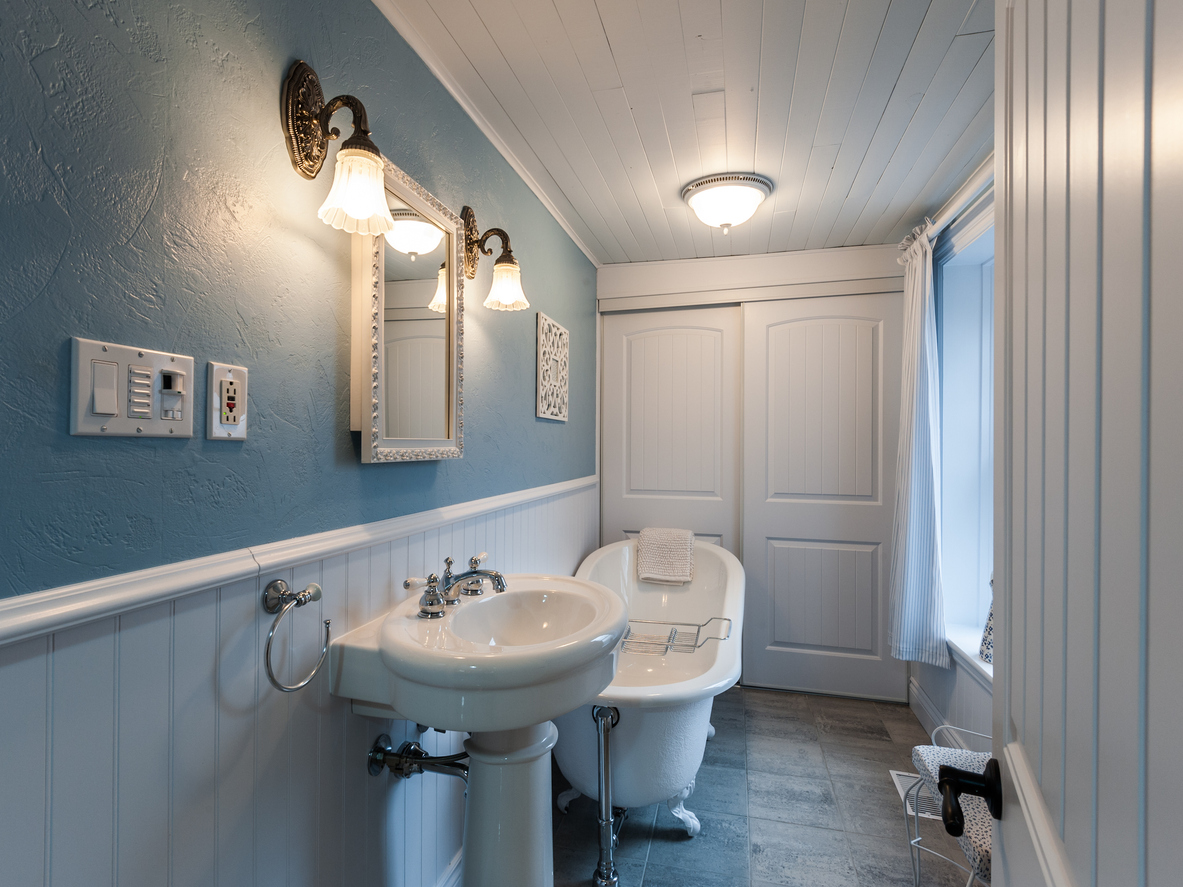
Three Fixture Bathroom

Three Fixture Bathroom in Cellars

Can I add a Three Fixture Bathroom?

In NYC, it is possible to add a three-fixture bathroom in a one- or two-family house.  This type of bathroom typically includes a toilet, a sink, and a shower or bathtub. These provide essential facilities for convenience and functionality. Such layouts are ideal for maximizing space efficiency in cellar renovations or additions. For example, this includes a three fixture bathroom in cellars. However, this being New York City, there are requirements you have to check. You need to find out if your property can have a 3-piece bathroom added. 

Bathroom in a Cellar.

The Department of Buildings created a Building’s Bulletin which pinpoints the requirements for such a bathroom addition to a cellar.  The first of which is that the cellar must be open without partitions. There are exceptions for enclosures for a boiler room, a laundry room, and/or windowless storage or utility rooms that measure 60 square feet or less. Another states that the cellar must be connected to the unit above via an unenclosed stair. It must also have direct access to the outdoors via stairs and an operable door. For a successful addition of a three fixture bathroom in cellars, compliance with all these regulations is crucial. 

Once your cellar meets the criteria for a three-fixture bathroom, you will need to hire an architect or engineer to draw up the plans. These need to be filed with the Department of Buildings (DOB).  While waiting for the plans to be approved, you will also need to file a restrictive declaration with the city registrar’s office. This declaration states that the cellar will not be rented or used independently from the unit above. It is particularly important when planning a three fixture bathroom in cellars. 

S & M Can Help Expedite the Process

If you are ready to add a new bathroom in the cellar of your one- or two-family house, feel free to give S & M Expediting a call.  We can guide you through the process. We also assist with the filings, ensuring your three fixture bathroom in cellars project proceeds smoothly. 

NYC Building Permit

When Do You Need a Construction Permit for Your Apartment or House?

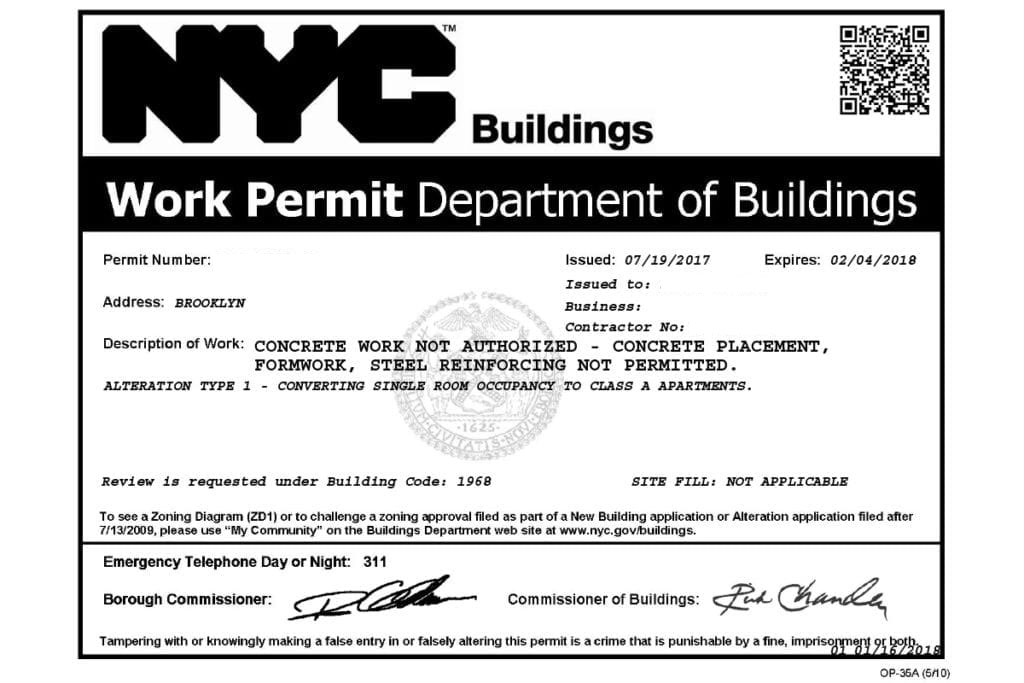
Updated October 2025: You need a construction permit when you construct, alter or change the use of the building or structure of the building. There are a lot of different types of permits that encompass construction, boiler, elevator, and plumbing. To learn more about what type of permit you need, continue reading below.

General Process of Obtaining a Permit

  • Hire a licensed professional to file plans for building/construction changes and applications with the building department. A Licensed Professional can be either a Registered Architect or a Professional Engineer according to the City of New York.
  • Once the plans have been filed with the Licensed Professional, a contractor will be hired. They must apply for a work permit, which is a type of construction permit required for most building work.
  • After the permit is issued, the contractor completes work you must arrange for one of two things. Either arrange to have the required special and/or progress inspections done.
  • Once this process is complete, depending on the type of filing, the Department will either issue a Letter of Completion. Alternatively, a Certificate of Occupancy may be issued.

While this process can seem relatively quick and easy, it makes sense to have help when putting all your ducks in order. What do you need first and what do you need from your licensed professional in order to begin work? The plans and permits must be filed prior to work commencing on the construction site. Consider enlisting the help of S&M Expediting when organizing all your paperwork and plans for the filings.

What Type of Permit Do I Need?

There are a lot of different types of permits that encompass construction, boiler, elevator and plumbing. Of those types of permits, the primary permit applications are: New Building, for the construction of new structures, (NB) and Alterations for work on existing buildings.  There are Alt-CO permits issued when there is a change in use, egress, or occupancy. Alteration permits cover general construction work. Plumbing, mechanical, and structural permits are issued to name a few. Construction permits are essential but there are additional permits issued by the DOB.

Are there instances when I will not need a permit?

There are some construction-related projects that are considered minor work and do not require a permit. However, there are some catches to the process when a permit is not required. For example, when you are installing kitchen cabinets into your home that does not necessarily require a permit. However, the contractor completing the work must have an HIC license to perform work in a one- or two-family home. NYC Rule 101-14 lists the categories of work that require permitting by the DOB.

How long does approval take?

Contact S&M Expediting for more information about whether your project requires a permit or not. We can also explain more about the different licenses that may come in handy to help you along with your permit process. We can tell you how long you as a homeowner can expect the construction permit process to take.

The amount of time it takes to approve a plan directly relates to the number of objections a project reviewer might see in the plans. It also depends on how easy it may be to resolve those objections.