Basement Apartment

ANCILLARY DWELLING UNITS (ADUs)

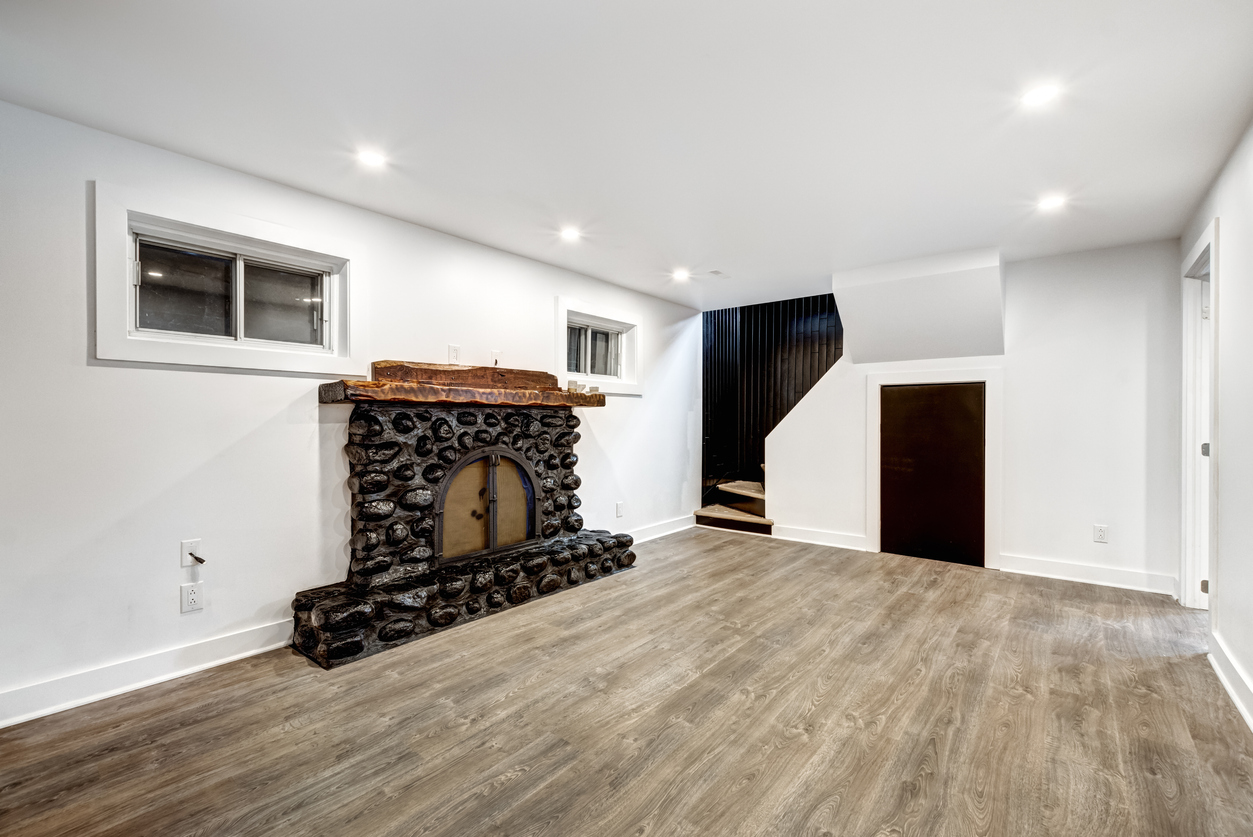
In December 2024, NYC passed the City of YES for Housing Opportunity with the aim to create approximately 80,000 new homes throughout the city. One of the key goals is to create smaller accessory units. Like backyard cottages and legalizing cellar and basement apartments, also known as Ancillary Dwelling Units (ADU’s). 

City of Yes will allow ADUs in one and two family homes in all low density (R1-R-5) zoning districts. Certain areas prohibit certain types of ADUs such as if you are in a flood zone. 

Some general requirements for ADUS are

  • Only one ADU per each 1- or 2- family residence with a maximum size of 800 sf.
  • The homeowner must reside on the zoning lot with the ADU
  • ADUs require a separate entrance
  • Creation of the ADU must not affect the light and air requirements of the primary dwelling.
  • Subject to the Multiple Dwelling Law (MDL), two-family building adding an attic, basement, cellar, or attached ADU will be treated as a three-family building. There is an exception to units separated by a fire wall
  • A two-family building with a pre-existing basement or cellar unit undergoing the legalization process will be subject to Building Code Appendix U and additional fire and safety rules and regulations in lieu of the MDL.  

Exceptions/Restrictions

Backyard ADUs are not permitted in:

  • Historic Districts
  • R1-2A, R2A and R3A districts outside of the Greater Transit Zone
  • Special Bay Ridge District west of Ridge Boulevard or south of Marine Avenue

Conversions of existing garages to an ADU are not backyard ADUs according to the Zoning Resolution Sect. 12-10 .

Subgrade ADUs are not permitted in high-risk flood areas 

LL126/24  are the laws that control subgrade dwelling legalization. Subgrade dwellings are restricted to existing one- and two-family buildings in the program area. The program area includes:

Community Districts :

  • 9, 10, 11, and 12 in the Bronx, 
  • 4, 10, 11, and 17 in Brooklyn, 
  • 2, 3, 9, 10, 11, and 12 in Manhattan 
  • And district 2, in Queens.

More information will be available as the city planning commission updates the Zoning Texts.  For questions about ADUs, reach out to S & M Expediting

DOB NOW: Safety Boiler

NYC Boilers 

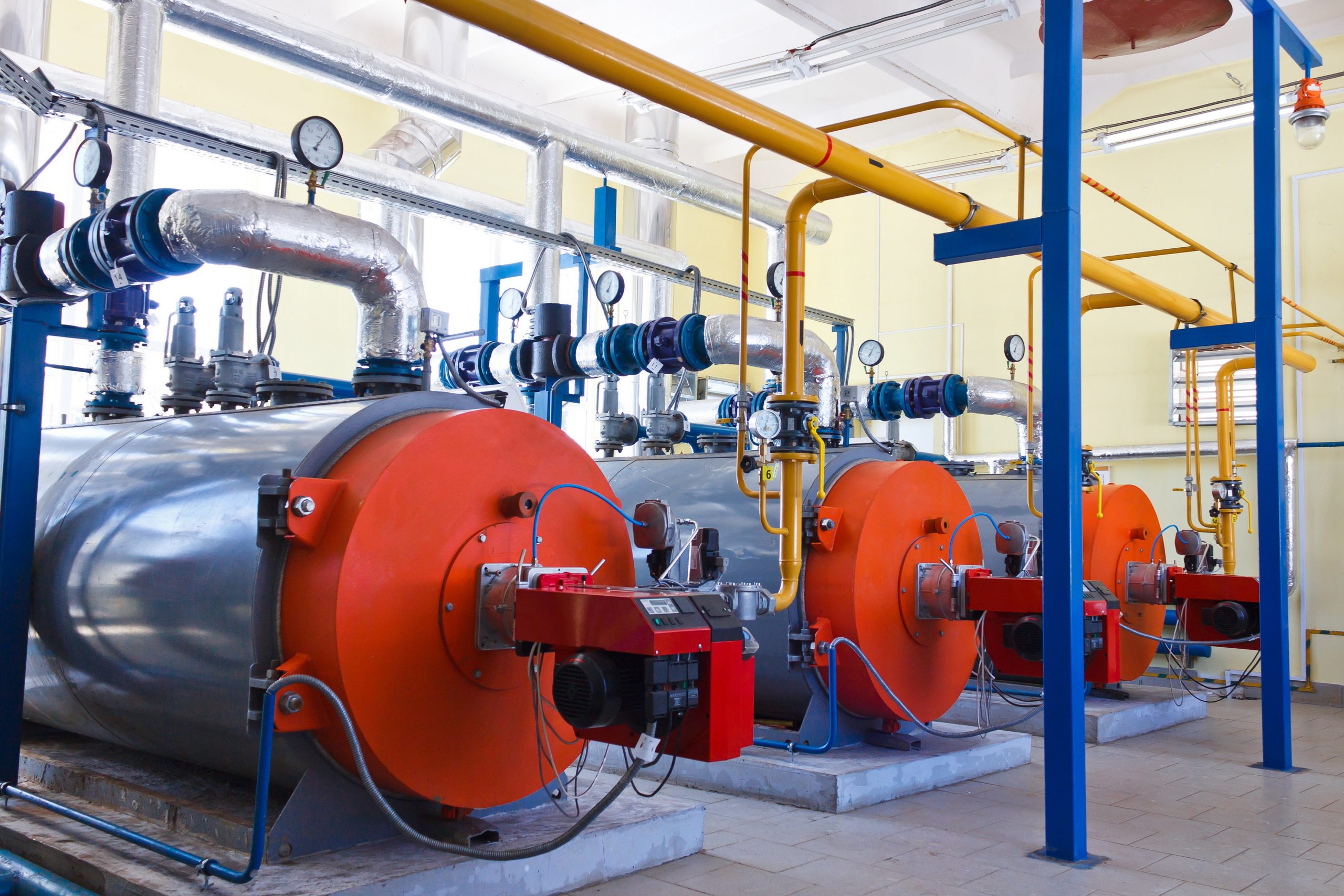
In NYC, all mixed-use, commercial and residential (6 family or more) buildings must have an annual boiler inspection or risk receiving violations. 

A licensed master plumber or an authorized insurance company representative must perform an annual boiler inspection once a year.  You must file the results of that inspection by December 31st . If you do not the DOB will issue a failure to file violation to the property owner. Penalties are $1000* for each failure to file violation

New boiler installations and boilers that have had more than half of the boiler components replaced must undergo an inspection by the Dept. of Buildings which they call the First Test Inspection.  You are not required to file the annual inspection report for that first inspection year. 

Buildings with high pressure boilers must have two inspections: an internal inspection and an external inspection. Inspectors must contact the DOB before performing the internal inspection. You must be conduct both inspections in the same cycle. However, they have to be done six months apart and performed by an authorized insurance company. 

Buildings with low pressure boilers must be inspected annually including buildings with H-stamp domestic water heaters that have more that 350,000 BTUs.  

Annual boiler inspections are not required for residential buildings with 5 or less units, or in buildings where each residential unit has an individual boiler. This includes the residential portion of mixed-use buildings.  Buildings rated at in input of less than 100,000 BTUs is also exempt from annual boiler inspections. 

For any violations issued, penalties must be paid on DOB NOW: Safety. Reach out to S&M Expediting if you need assistance with resolving annual boiler violations. 

*penalties for failure to file issued between 1992 and 2008 are either $500 or $1500 depending on building size. 

Gas piping and meters in a multi family building

Avoid Local Law 152 $10K civil penalty. December 31st deadline approaching

Local Law 152 was introduced in 2016  for the regular inspection of gas piping systems in all buildings except  those in an R-3 occupancy group.  Buildings in all other occupancy groups  that  contain a gas piping system must have a licensed master plumber (LMP) or a non-licensed plumber under the supervision of a LMP.  It is estimated that approximately 280,000 buildings are affected by regulation. 

In affected buildings, gas piping systems must be inspected at least once every four years according to the schedule with  is set out in RCNY 103-10.  The inspection dates range from January 1st thru December 31st of each calendar year.  Buildings to be inspected in each calendar year are determined by the community districts in which the buildings are located. December 31, 2020 is the last day that required buildings in community districts 1, 3, and 10 in all boroughs must be inspected.

The first due dates for the gas piping inspections are as follows:

  • Community Districts 1, 3, and 10 in all boroughs: January 1, 2020 – December 31, 2020
  • Community Districts 2, 5, 7, 13, and 18 in all boroughs: January 1, 2021 – December 31, 2021
  • Community Districts 4, 6, 8, 9, and 16 in all boroughs: January 1, 2022 – December 31, 2022
  • Community Districts 11, 12, 14, 15, and 17 in all boroughs: January 1, 2023 – December 31, 2023

For example, if you initially filed on February  1, 2020, you would have to file again by February  1, 2025. You would not be able to perform the inspection more than 60 days prior to February  1, 2025.

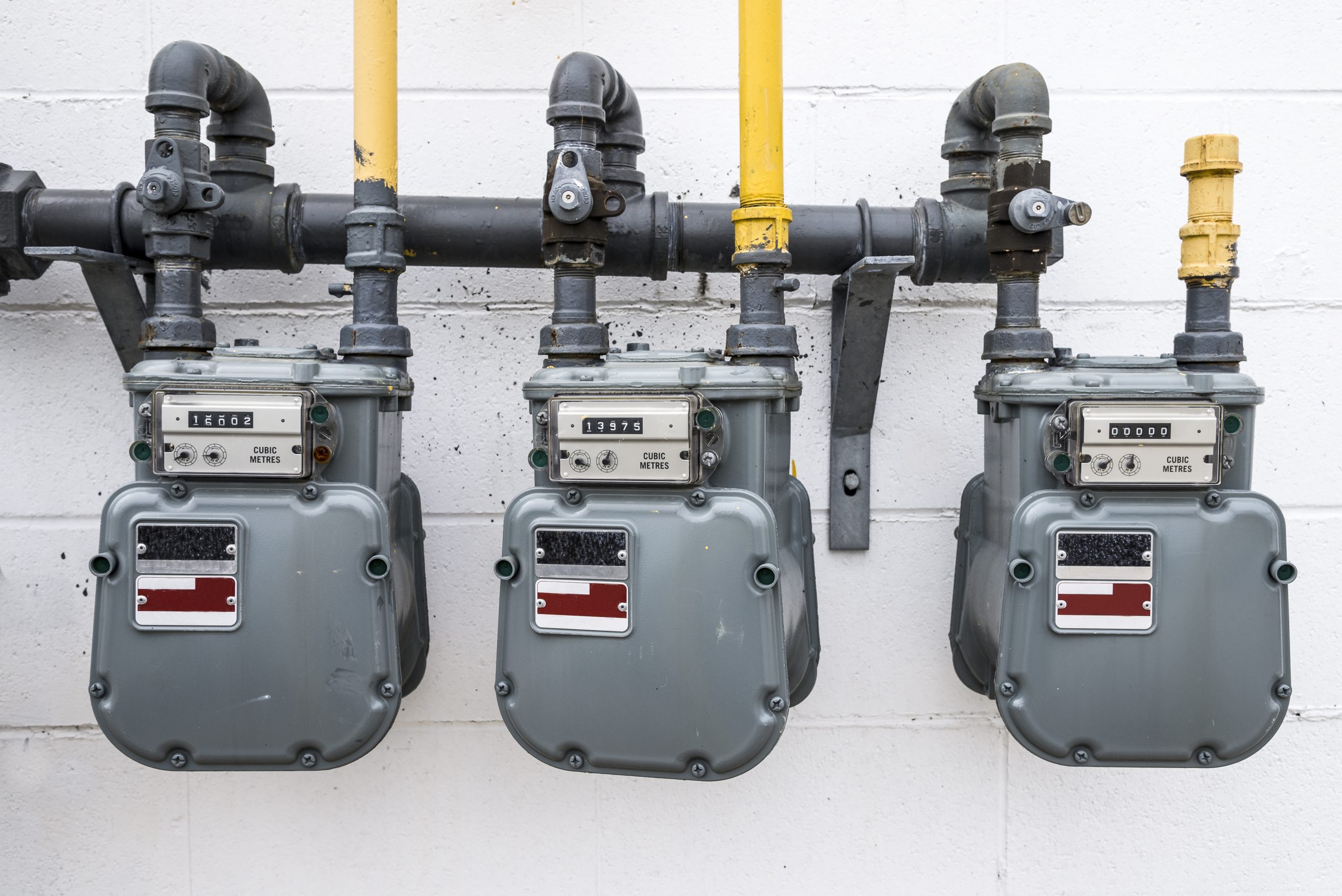
Local Law 152 requires that all exposed gas lines from point of entry of gas piping into a building, including building service meters, up to the individual tenant spaces are to be inspected. Buried piping does not require inspection, nor does piping concealed by suspended ceilings.   Gas piping in Individual tenant spaces is exempt from testing.

Within 30 days of the inspection, the licensed master plumber (LMP) must provide to the building owner a Gas Piping System Periodic Inspection Report (GPS1).

Within 60 days of the inspection, the building owner  must submit to the Department of Buildings (DOB),  a Gas Piping System Periodic Inspection Certification (GPS2) signed and sealed by the LMP who conducted or supervised the inspection. GPS2 submission is to be completed by the Building Owner on the NYC Department of Buildings GPS2 submission portal. No filing fee is associated with the GPS2 submission. 

Owners of buildings without a gas piping system need to file a GPS2 form completed by  a registered design professional, ie, a a registered architected (RA) or professional engineer (PE) stating that your building does not contain a gas piping system. Owners of these buildings  need to follow the same 4-year cycle detailed above for this certification.

If the inspections reveal any unsafe or hazardous conditions, the inspector is required to notify the building owner, the utility company providing gas service to the building, and the Department of Buildings.  The building owner must take immediate action to correct these conditions as required by the NYC Building Code.

Owners who miss their designated cycle deadline  will be hit with a $10,000 civil penalty. 

Building owners  and inspectors must maintain inspection records on file for a minimum of 10 years and make them available to the DOB upon request.